
献Nutrition · A sushi chef’s take
Are sushi high in calories ? What a sushi chef really says.
Sushi is often called “light”. The truth is more nuanced: raw fish is lean, but the seasoned rice, sweet sauces, spicy mayo and frying can add up. Here is how to build a truly light platter, guilt-free.
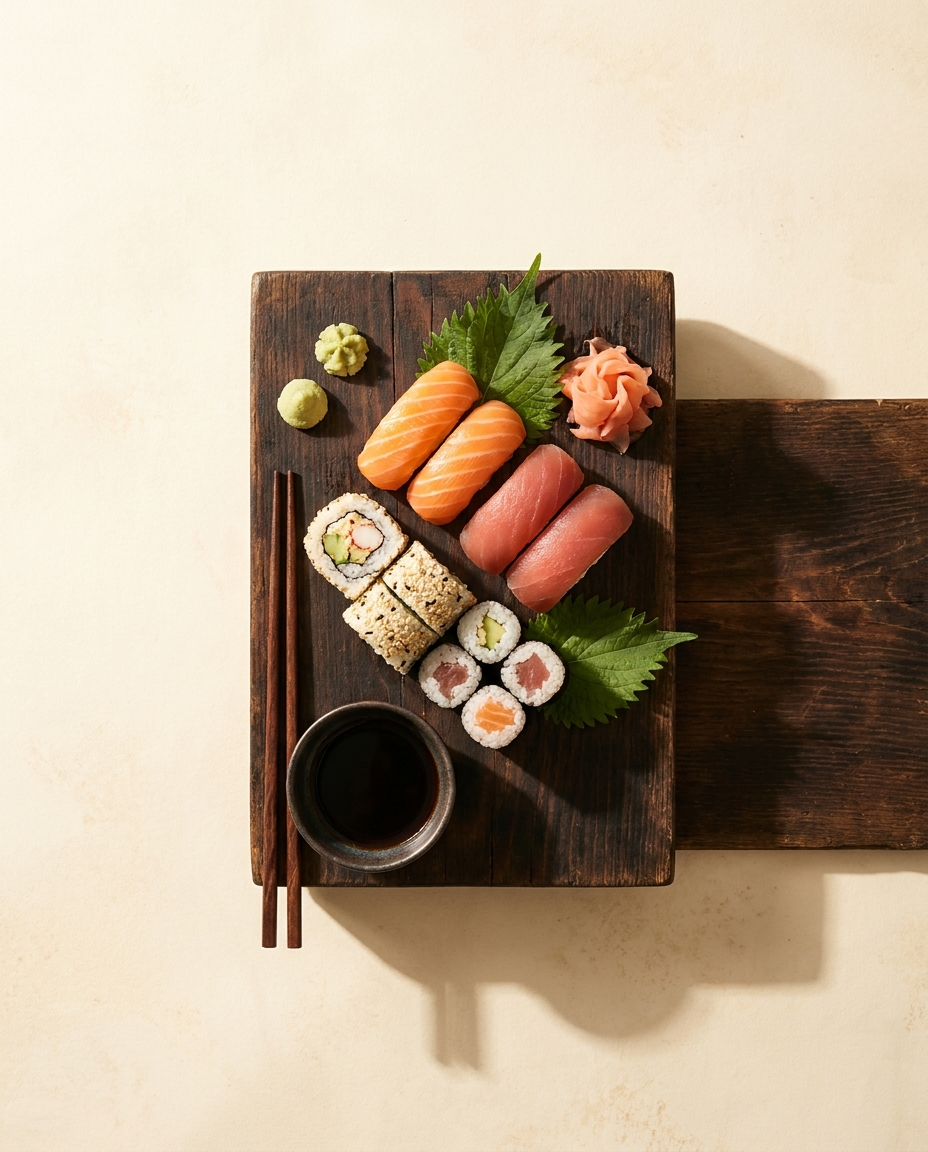
In short
Yes and no. Sushi is not caloric because of the fish, which stays lean and protein-rich, but because of what comes with it: sweet seasoned rice, spicy mayo, fried breading and salty soy sauce. To eat light, pick sashimi, simple nigiri and cucumber or avocado maki, keep rice portions reasonable, and go easy on the sauces.
Where do a sushi’s calories really come from?
The honest answer is: yes and no. A slice of salmon sashimi is raw fish and protein — nothing heavy. But pile on seasoned rice, sweet glaze, spicy mayo or frying, and the equation changes.
It is almost never the fish that weighs, but the extras. Knowing this lets you enjoy sushi while keeping the meal balanced.
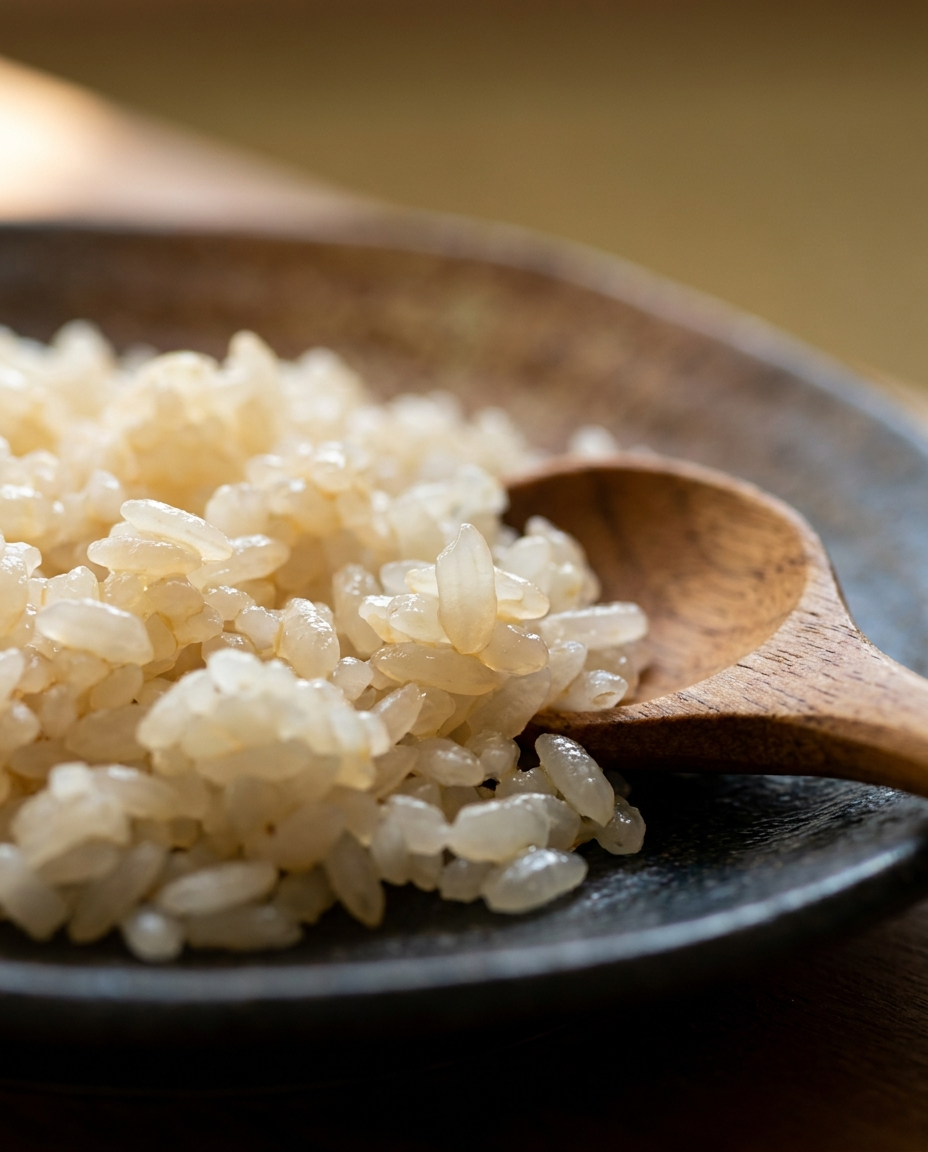
Seasoned rice: a sushi’s real weight
Rice is 60–70% of a maki or nigiri and carries most of the carbs. It is seasoned with rice vinegar, sugar and salt — that added sugar counts.
More rice means more calories: maki > nigiri > sashimi. Portion size is your first lever to lighten a meal.
Sweet sauces and spicy mayo
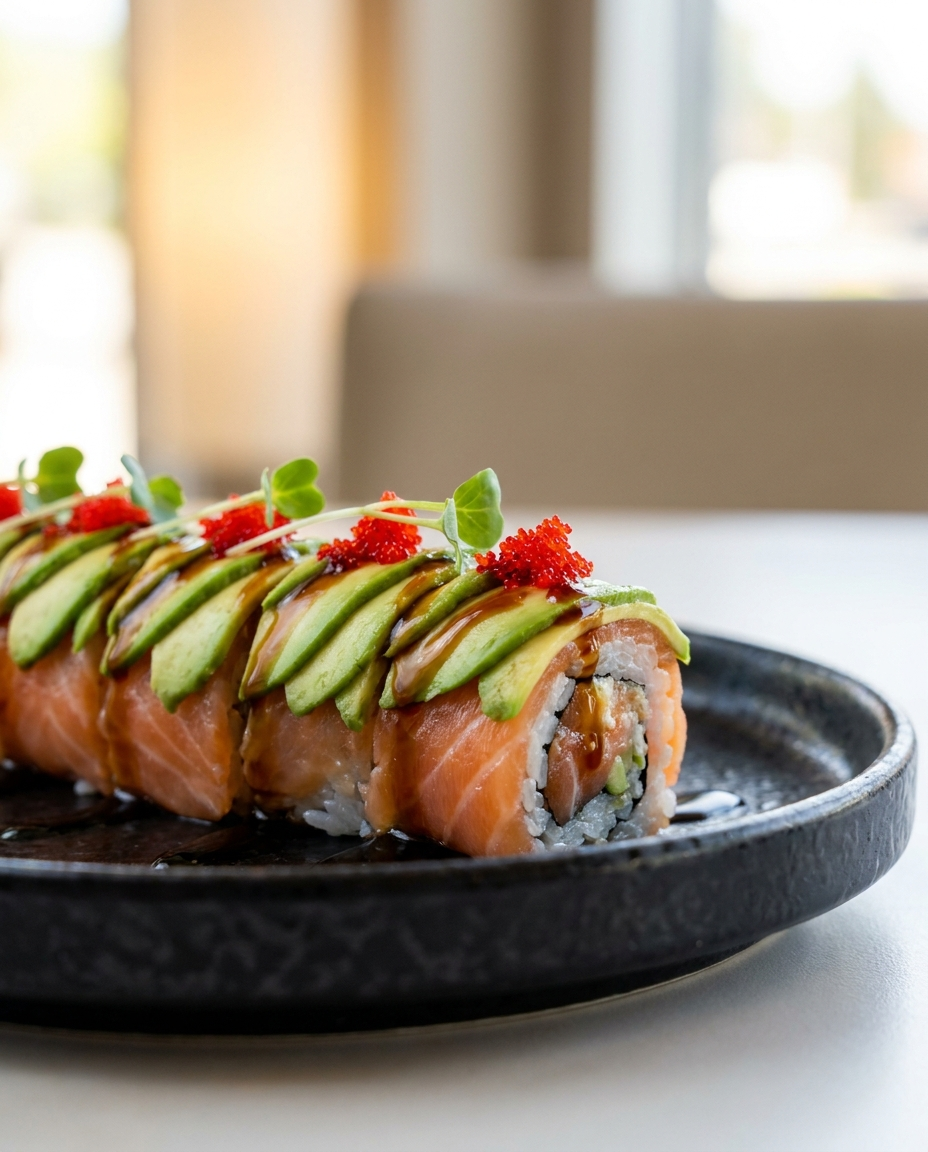
Sweet teriyaki-style glaze is reduced sugar; spicy mayo is mostly emulsified oil. Both are calorie-dense and easy to overlook.
A plain salmon-avocado california stays light. Ask for “no sweet sauce” or “mayo on the side” to lighten the plate instantly.
Frying and breading: crispy california, tempura
Crispy rolls and tempura absorb oil, the most calorific ingredient. They are delicious, but belong to the “treat” category, not the “light” one.
For a balanced meal, keep fried pieces as a side rather than the base of your platter.
Soy sauce and salt
Soy sauce is not very caloric but very salty; excess salt causes that heavy feeling after a sushi meal.
Dip the fish side lightly, never the rice, and choose a low-salt version when available.
Which sushi to choose for a light meal?
From lightest to richest, here is a simple guide to building a smart platter.
01Sashimi
Raw fish only, no rice: the lightest, most protein-rich option.
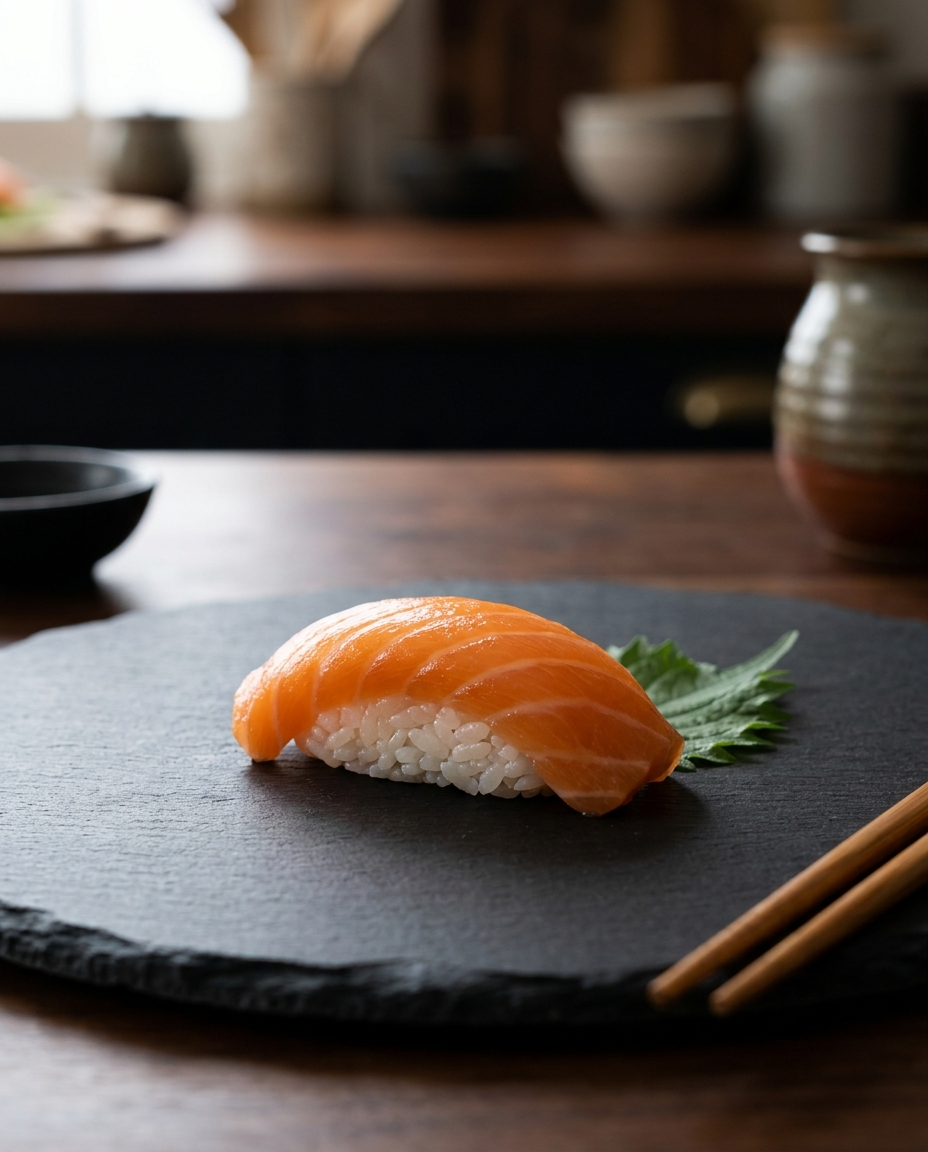
02Simple nigiri
A thin rice base and a slice of fish: a great taste-to-lightness balance.
03Cucumber or avocado maki
Plant-based, no frying or mayo. Avocado adds good fats.
04Edamame
Steamed soybeans, rich in protein and fibre: a filling light starter.
How many pieces for a balanced meal?
There is no universal number. In practice, around ten varied pieces plus a light starter such as miso soup or edamame is a reasonable meal.
Listen to satiety rather than counting: fish and vegetable fibre fill you up. Building your own assortment helps keep a sensible portion.
Sushi and healthy eating: the myths
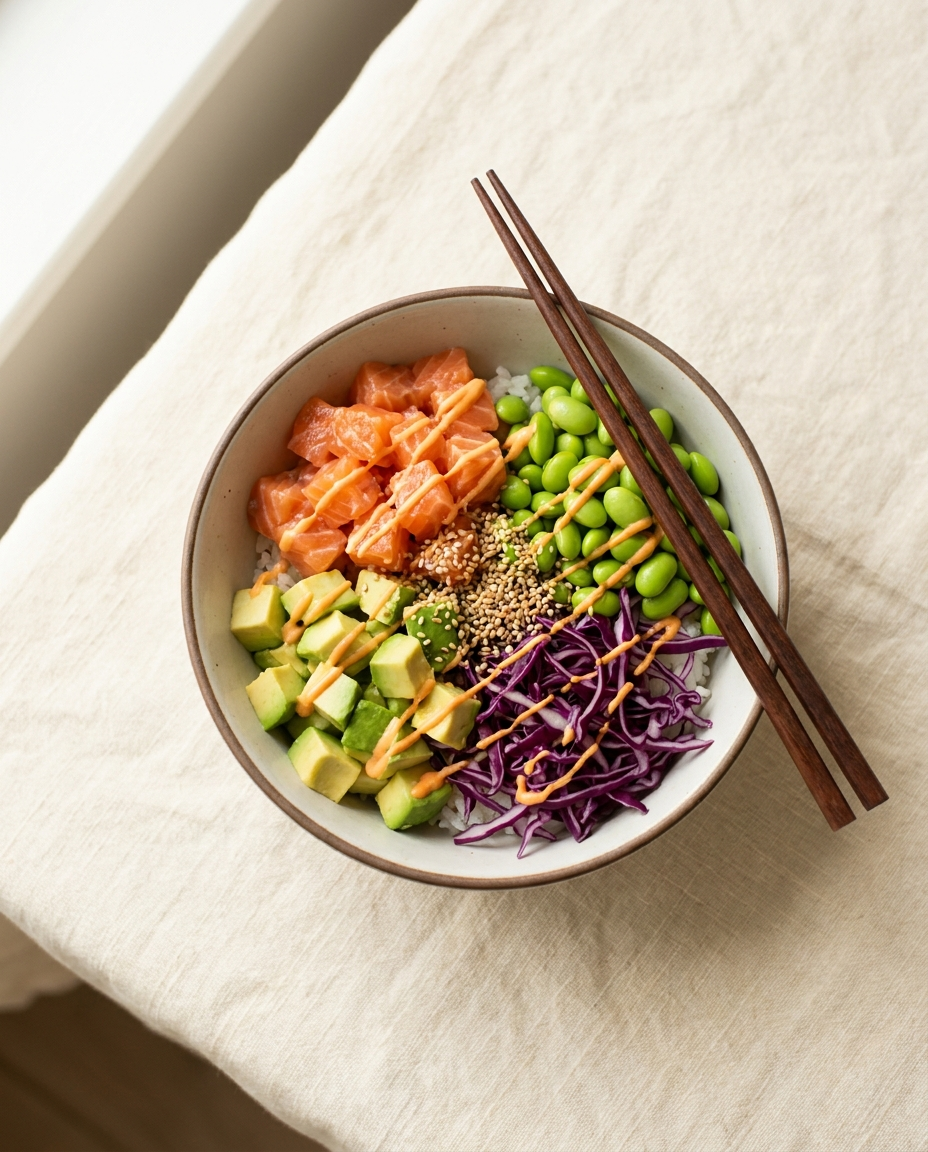
Rice is not “bad” — only a problem in large amounts or drowned in sugar and sauce. And sushi does not make you gain weight when eaten with measure.
Fatty fish brings omega-3 and quality protein. The rice’s glycaemic index is moderated by seaweed fibre, vinegar and protein: a well-built platter fits a balanced diet.
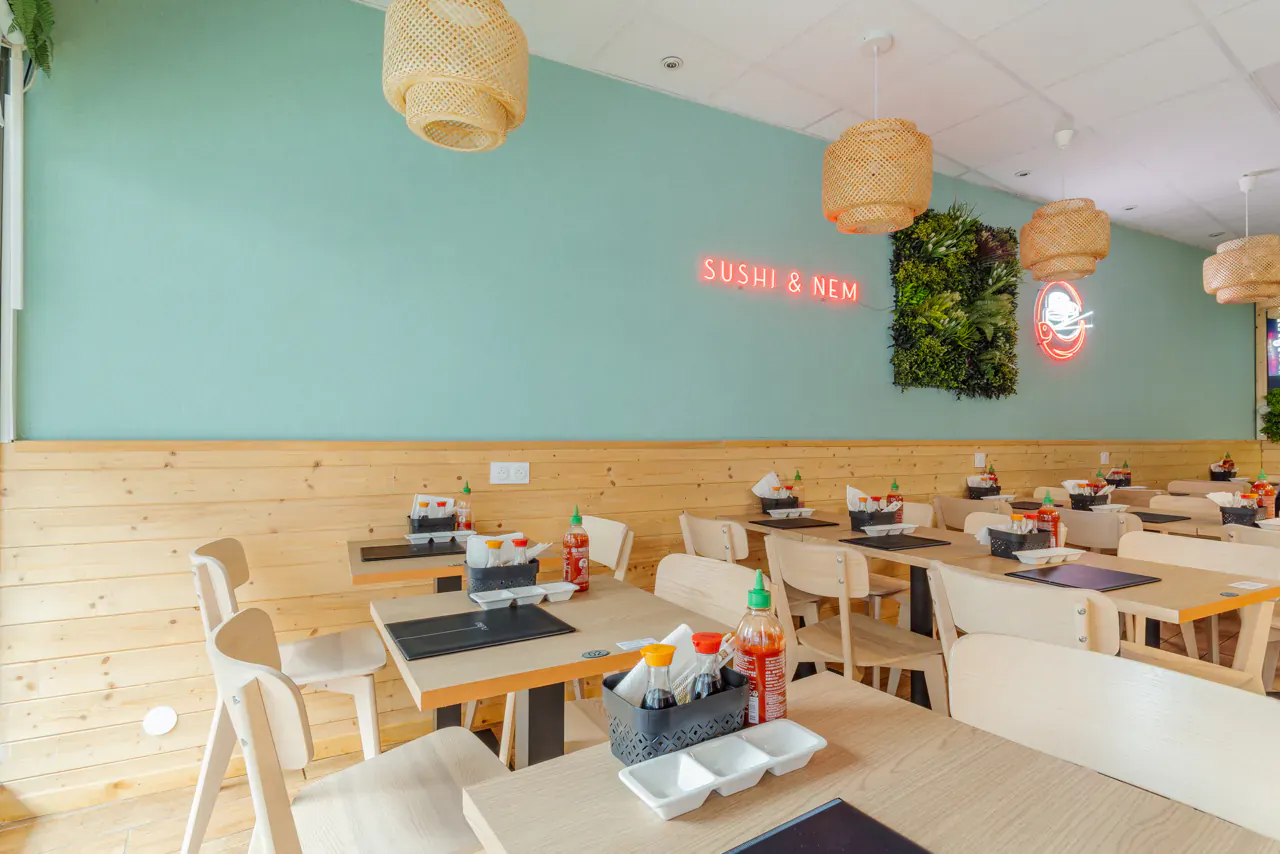
味Sushi & Nem · Thonon-les-Bains
Building a balanced platter at Sushi & Nem in Thonon
Our fish is delivered fresh every morning and cut by hand, ideal for clean sashimi and nigiri. For a light platter, start with sashimi and simple nigiri, add a cucumber or avocado maki and edamame, and keep fried pieces as a treat. Everything is chosen freely on our menu, to eat in, take away or have delivered. Unsure about quality? Our dedicated guide covers a sushi chef’s criteria.
Looking for a trusted address by the lake? It is all explained on our how to spot a good sushi in Thonon. sushi in Thonon-les-Bains page.
質問Your questions
Frequently asked questions
Does sushi make you gain weight?
Not on its own. A reasonable meal of sashimi and simple nigiri is light and protein-rich. Weight comes from excess sweet rice, caramelised sauces, spicy mayo and frying — not the fish.
Is sashimi less caloric than maki?
Yes, clearly. Sashimi is raw fish without rice, so only protein and a little good fat. Maki contains a large share of seasoned rice, hence more carbs and calories.
Is sushi rice sweet?
A little. Sushi rice is seasoned with rice vinegar, sugar and salt. The sugar is moderate but real, which is why a rice-heavy maki is more caloric than a lightly pressed nigiri.
Can you eat sushi on a diet?
Yes, with the right choices: favour sashimi, simple nigiri and plant maki, limit sweet sauces and frying, and dip lightly in soy sauce.
Are crispy rolls more caloric?
Yes. Breading and frying absorb oil, the most calorific ingredient. Enjoy crispy california or tempura in small amounts if you want a light meal.
Should I avoid soy sauce?
No need to avoid it, but go easy — it is very salty. Dip the fish side, never the rice, and choose a low-salt version when possible.
案内Explore
Related pages
続Going further
Want to build your balanced platter? Discover est-ce que les sushis sont caloriques — our light sashimi, nigiri and maki are waiting on the menu, or call us at 06 59 29 25 48.